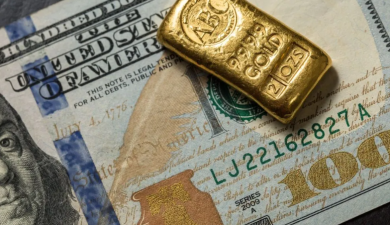
Gold prices have soared, and the gold market is undergoing a profound transformation driven by multiple factors. For ordinary investors, whether to buy gold now requires a comprehensive assessment considering the current high price volatility, investment objectives, and strategies—gold is essentially a "ballast" for asset allocation, not a short-term arbitrage tool.
Is now a good time to buy gold? It depends on individual investment goals and risk tolerance. Currently, gold prices are at historical highs, resulting in significant volatility and high short-term investment risk. However, in the long term, it still offers value in hedging risks and optimizing asset allocation. Whether it's suitable to buy gold requires a comprehensive assessment based on individual investment goals, risk appetite, and market conditions. Blindly chasing high prices or engaging in heavy speculation is not recommended.
The Role of Gold in Asset Allocation
Gold primarily plays a role in hedging risk and optimizing asset allocation in an investment portfolio, not as a short-term speculative tool. Its core value lies in hedging against inflation, mitigating financial risks, and serving as a "ballast" for asset diversification. It is recommended that the proportion of gold in total family assets be controlled between 5% and 15%, which is particularly suitable for investors with a moderate risk appetite who wish to balance volatility. Gold has a low correlation with traditional assets such as stocks and bonds. Adding it to a portfolio can reduce overall volatility and improve the risk-reward ratio. For long-term wealth transfer, physical gold bars are more advantageous due to their value stability and ease of inheritance. For medium-term asset allocation (1-5 years), gold ETFs or gold reserves are more flexible and have lower costs.
There are many channels for gold investment, including physical gold bars, gold ETFs, bank gold reserves, and gold futures. Physical gold bars are suitable for long-term holding, but attention should be paid to storage costs and liquidity limitations (repurchase prices are usually 10-30 yuan/gram lower than the market price). Gold ETFs have low entry barriers and high liquidity, making them suitable for short-term trading and regular investment, but they rely on the credit of financial institutions and the stability of the trading system. Gold futures and T+D products have high leverage and extremely high risk, making them unsuitable for ordinary investors. Currently, gold prices are at historical highs, and short-term volatility risks are significant. Investors should avoid large lump-sum investments and prioritize phased entry or regular investment strategies (such as investing a fixed amount each month) to smooth costs and reduce risk. At the same time, be wary of high-leverage products and excessive speculation, ensuring that investment funds are idle cash and do not tie up funds for retirement, education, or other essential needs. Monetary Policy and the Debt Crisis Fuel the Rise
Following the Federal Reserve's 25 basis point rate cut, market expectations for further rate reductions have intensified. The rate cut has reduced the attractiveness of dollar-denominated assets, prompting investors to seek refuge in gold. Meanwhile, the US federal debt exceeding $34 trillion, coupled with the Biden administration's massive stimulus plan, has further exacerbated the liquidity glut, creating favorable conditions for rising gold prices.

Future Outlook and Investment Advice
Despite a long-term bullish outlook, factors such as a rebound in the dollar index and rising US Treasury yields could still trigger periodic corrections in gold prices. For example, in April 2025, the price of gold in London fell from $3,167 to below $3,000 within three days.
The continued rise in gold prices has sparked heated debate among investors. One side argues that gold is the "ultimate insurance" in turbulent times, while the other questions its investment returns. Supporters argue that gold has yielded an annualized return of over 6% over the past 40 years and has a low correlation with the stock and bond markets, making it suitable for asset allocation; opponents argue that gold offers no interest income, has high storage costs, and its price is too heavily influenced by policy.
Ultimately, is gold replacing the dollar as the new anchor of value? Currently, states like Arkansas in the US have legislated to recognize gold as legal tender, and many central banks are actively promoting the diversification of their foreign exchange reserves. However, the World Gold Council also warns that gold prices may face challenges if monetary policy expectations reverse.
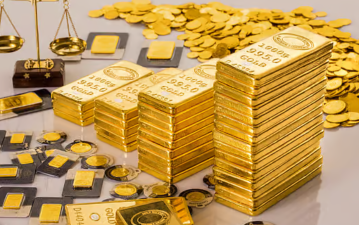
Short-term volatility intensifies.
Against a long-term positive backdrop, the short-term market is being dominated by complex macroeconomic variables, significantly increasing volatility risk.
More importantly, a stronger dollar and interest rate expectations are direct forces suppressing gold prices. When the market worries that rising oil prices will push up inflation, thus delaying the Federal Reserve's interest rate cuts, the dollar index and US Treasury yields often strengthen in tandem. Gold is priced in dollars and does not generate interest; in this situation, its holding costs increase, relatively reducing its attractiveness.
Some analysts point out that in a volatile market environment, some institutions may even need to sell gold to cover losses in other assets, and this liquidity demand can cause a short-term "flash crash" in gold prices.
Geopolitical conflicts also play a double-edged sword role. Escalating tensions in the Middle East will certainly boost safe-haven demand, stimulating gold prices in the short term. However, the conflict has led to a surge in oil prices, potentially triggering a rebound in global inflation expectations. This could force the market to reassess the monetary policy paths of major central banks, and the delayed expectation of interest rate cuts could, in turn, suppress gold prices.
Furthermore, gold prices have accumulated significant gains in the short term, and technical correction pressures remain. Recently, daily fluctuations of over $100 in the gold market have become commonplace, and blindly chasing highs can easily lead to short-term losses.
Conclusion
Gold investment is an art of balance; one should neither blindly chase highs nor completely ignore it. In the current environment of increased global economic uncertainty, a moderate allocation to gold can help diversify risk and protect purchasing power. The answer to the question "Is now a good time to buy gold?" is not a simple "yes" or "no," but a rational decision based on one's personal financial situation, risk appetite, and investment goals.