

In 2029, the Academy Awards ceremony will reach a pivotal turning point, officially transitioning to a streaming platform. This decision is not only a bold challenge to the traditional television model but also has a profound impact on the entire entertainment industry. The multi-year agreement signed between the Academy of Motion Picture Arts and Sciences and YouTube will allow this most influential film event in the world to completely break free from the traditional framework of ABC over the next five years, becoming a landmark event of the streaming era.
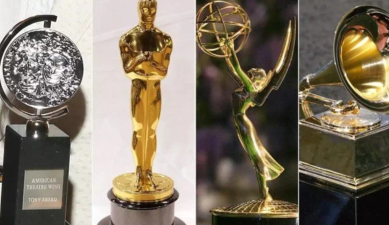
As audiences gradually shift from traditional television to streaming and social media, Oscar viewership has shown a declining trend year by year. Although this year's awards ceremony saw a 42% increase in social media engagement, exceeding 184 million views, this failed to effectively translate into viewership for the live television broadcast. This phenomenon prompts the question: what are the reasons for this situation?
First, the rise of streaming platforms is undoubtedly a significant factor. Today, many viewers prefer to watch their favorite movies and TV shows on platforms like Netflix and Hulu rather than waiting in front of their television sets for the awards ceremony to be broadcast live. Streaming not only provides more flexible viewing options but also recommends content based on viewers' interests, diversifying their choices. Furthermore, the prevalence of social media has led viewers to share their real-time experiences with friends via platforms like Twitter and Instagram while watching awards ceremonies, rather than solely relying on television broadcasts.
Secondly, the content of the Oscars may not have fully met the expectations of today's audiences. While awards ceremonies have always been a major event in the film industry, many viewers have grown tired of their traditional format over time. The program needs to be more innovative and diverse to attract younger viewers. Perhaps incorporating more interactive elements, live performances, or novel award presentation methods could inject fresh blood into the ceremony.
Finally, the brand value of the Oscars needs to be reshaped. In the streaming era, viewers have more diverse choices, and a single awards ceremony format is unlikely to attract widespread attention. Partnering with streaming platforms and launching unique online events could revitalize the awards ceremony in this new era.
Although this year's Oscars viewership was less than satisfactory, the powerful influence of social media cannot be ignored. With changing audience habits, future awards ceremonies need to find a new balance, combining tradition and modernity, to secure a place in the highly competitive entertainment market. Perhaps the future of award ceremonies lies in embracing change, innovating content, and attracting a wider young audience.
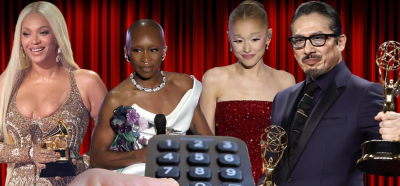
Creators' Reactions and Reflections
YouTube CEO Neil Mohan believes that streaming the awards ceremony will inspire a new generation of creators, while screenwriter Daniel Cuenca expressed the conflict between traditional storytelling and new media platforms. In a statement, YouTube CEO Neil Mohan said, "The Oscars, as a significant cultural award, have always been committed to recognizing outstanding achievements in storytelling and the arts. Partnering with the Academy of Motion Picture Arts and Sciences to bring this event to a global audience is not only a powerful inspiration for a new generation of creators and film enthusiasts, but also a continuation of the Oscars' illustrious history."
However, in Hollywood, opinions remain divided on whether to accept this audience-centric streaming platform. Screenwriter Daniel Cuenca commented on the X platform, "YouTube streaming the Oscars is like shaking hands with someone trying to kill you." This reflects creators' struggle between preserving traditional storytelling and embracing new media platforms.
The Impact and Future of the Streaming Era
Despite the differences, YouTube's collaboration may inspire creators to express themselves through new media, recognizing outstanding storytelling and artistic achievements. Despite this, with more and more people watching movies via streaming, the Oscars will continue to recognize films that have been shown in theaters.
In this era of streaming dominance, what is the future of the Oscars? How do you think the awards ceremony should adapt to the new demands of audiences? Feel free to share your thoughts in the comments!