

In this era of information overload and scarce attention, we are bombarded daily by short videos, trending topics, and fragmented content. But there are always things worth slowing down for—like a truly good movie. Have you ever wondered why some films, no matter how many years have passed or how many times you've watched them, can still move you to tears or leave you deep in thought every time you revisit them? They seem to possess a kind of magic, transcending time and touching the softest spots in people's hearts across different eras and cultural backgrounds.
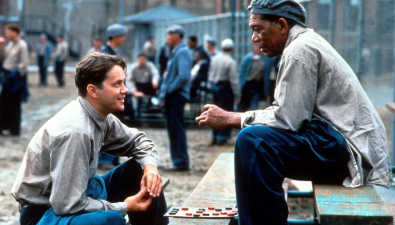
- The Shawshank Redemption (1994)
"Hope is a beautiful thing, maybe the best of things, and good things never die."
This film, which has consistently topped global film history charts, tells not only a story of prison break, but also the ultimate human yearning for freedom. Andy spent 19 years digging a tunnel, not through brute force, but through faith, patience, and wisdom. Within the high walls of institutionalization that devours humanity, he never gave up his pursuit of light. If you are currently in a low point, watch it—it will tell you: as long as your heart doesn't die, there is a way out.
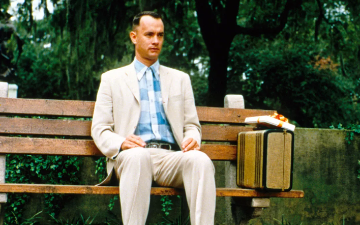
- Forrest Gump (1994)
"Life is like a box of chocolates, you never know what you're gonna get."
Forrest Gump, with an IQ of only 75, survived the Vietnam War, ping-pong diplomacy, and shrimp fishing to get rich… He didn't understand the complexities of the world, yet he lived the purest life. This film is moving because it uses the perspective of a "fool" to highlight the anxiety and disorientation of intelligent people. True wisdom may not be about calculation, but about focus, kindness, and perseverance.
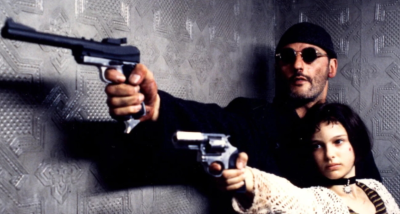
- Léon: The Professional (1994)
"Is life always this hard, or is it just childhood?" "Always."
Luc Besson, with his blend of violence and tenderness, depicts a bond that transcends age and status. Léon, taciturn, teaches Mathilda how to "live"; Mathilda, rebellious, lets Léon experience love for the first time. This isn't a romance film, but a two-way journey of redemption. Obscure? No, it's already a classic. Many people only remember the gunfights, forgetting the potted plant symbolizing "roots."
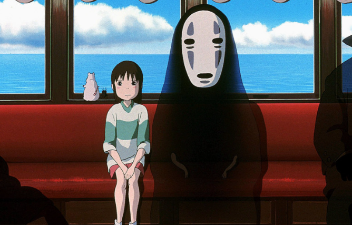
- Spirited Away (2001)
Hayao Miyazaki uses animation to reveal the essence of growing up: finding oneself amidst loss.
Chihiro grows from a timid, dependent little girl into a brave and independent young woman. The spirits in the bathhouse, No-Face's loneliness, the mystery of Haku's identity… each character is a metaphor for reality. This film tells us: once your name is taken away, you forget who you are. In this era easily defined by labels, holding onto your true self is more important than anything else.
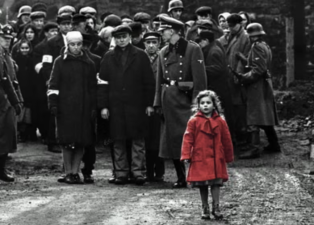
- Schindler's List (1993)
In black and white, the figure of a little girl in a red coat becomes the most glaring footnote to human conscience.
Spielberg uses an almost documentary-style approach to recreate the true hell under Nazi genocide. And Schindler—originally a profit-driven businessman—ultimately sacrifices his fortune to save 1,100 Jews. He said, "I could have saved more... This car could have saved ten lives." This film reminds us that choosing kindness in extreme circumstances is a form of heroism.
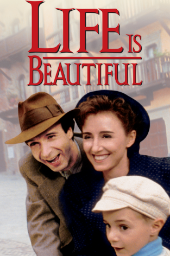
- Life Is Beautiful (1997)
Using humor to fight tyranny, using fatherly love to illuminate the darkness of the concentration camp.
Guido turns a death game into a fairy tale of "winning tanks by scoring points," solely to protect his son's innocent heart. He walks towards the gun with a smile, his back view taller than any soldier. This film proves that even if the world collapses, love can still build a fortress. You will cry after watching it, but your heart will be warmed—because the light of humanity has never been extinguished.
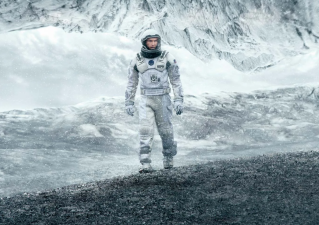
- Interstellar (2014)
Nolan wraps the softest emotional core in hard science fiction: "Love is a physical quantity that can transcend time and space."
Wormholes, black holes, five-dimensional space... the scientific settings are rigorously awe-inspiring. But what truly touches the heart is Cooper's decades-long longing for his daughter Murphy. When he turns the second hand behind the bookshelf, he is conveying not only data, but also a father's promise. This film says: The universe is vast, but human emotions are enough to serve as guiding coordinates.
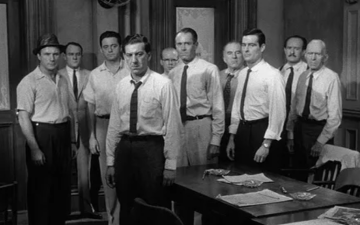
- 12 Angry Men (1957)
A black-and-white film shot almost entirely in a closed room, yet it captures the ultimate struggle between democracy, reason, and prejudice.
Of the 12 jurors, 11 voted "guilty," while 1 insisted on "reasonable doubt." As the discussion deepened, prejudice was torn away, and the truth surfaced. It tells us: Justice is not the tyranny of the majority, but a prudent approach to every life. In today's era of hasty decision-making, this film serves as a sobering balm.
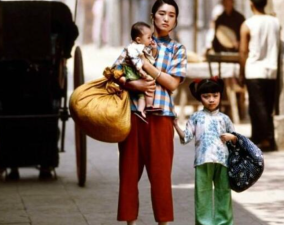
- To Live (1994)
Zhang Yimou's most underrated masterpiece, and an insurmountable peak in Chinese-language cinema.
Fugui's life is crushed by the times, with loved ones dying one after another, yet he still "lives." This is not a tragic indictment, but a celebration of life's resilience. The absurdity of Yu Hua's original novel is transformed into silent endurance on screen. It makes us understand: Living itself is a form of resistance.
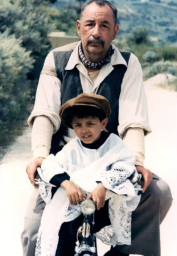
- Cinema Paradiso (1988)
"Don't stay here too long, or you'll think this is the whole world."
Toto leaves town to become a director; Alfredo stays at the cinema until he grows old. This film is dedicated to all those who love movies—those nights illuminated by light and shadow, those moments when a single line of dialogue brings tears to their eyes. The cut-out kiss scene at the end is a collection of youth, regret, and farewell. After watching it, you'll think: So, movies really can heal.